IN THIS EPISODE OF EMPOWERED TALKS
I think that sexuality is such a big piece that has been oppressed in most societies. And when you are able to really step into your expression of sexuality, whatever that looks like, it’s a very empowering experience.
LISTEN TO THE EPISODE:
ABOUT THE GUEST:
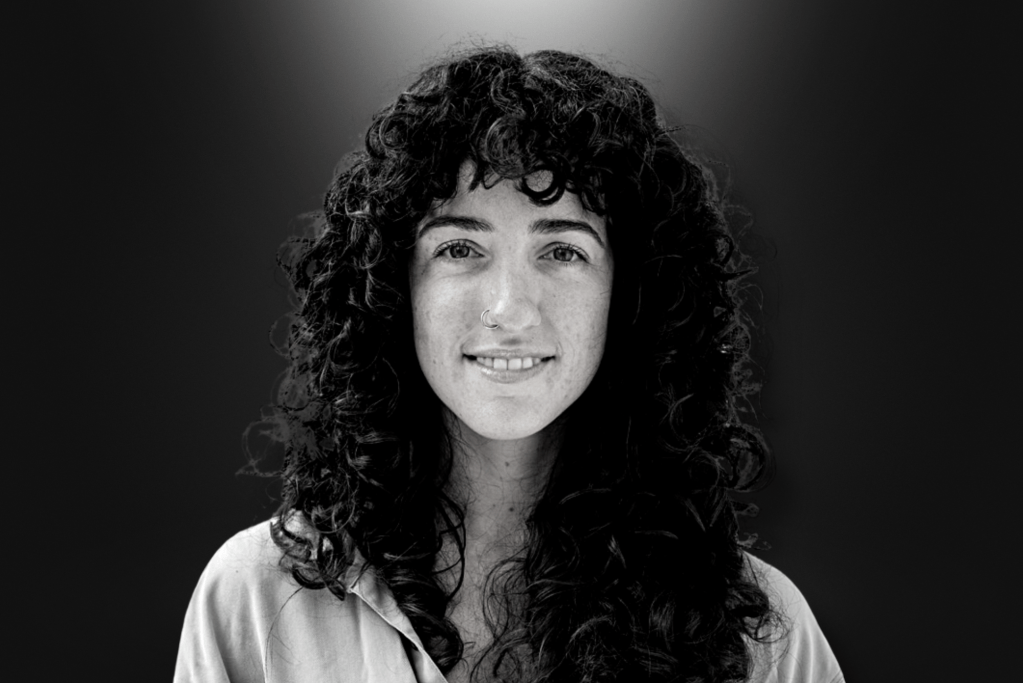
CHARLIE HENDERSON. As an intimacy + empowerment coach, Charlie supports individuals who are feeling stuck in their sex life to have more fulfilling and passionate sex.
Charlie is currently training with the Tantric Insitute of Integrated Sexuality, led by Layla Martin, which blends the realms of neuroscience, tantra, as well as sex, love, and relationship coaching.
Follow Charlie:
MENTIONED IN THIS EPISODE:
- Book: Come as You Are: The Surprising New Science That Will Transform Your Sex Life by Emily Nagoski
- Instagram: Empowered Talks with Roma Miclat Podcast
- Instagram: Charlie Henderson
- Facebook: Empowered Talks with Roma Miclat
- Youtube: Empowered Talks with Roma Miclat
EPISODE HIGHLIGHTS:
Sexuality & Intimacy
Roma Miclat: I’m really excited for, and at the same time, a bit scared to talk about this because I feel like I don’t know anything. Of course, whatever I know about sexuality and intimacy – it’s based on magazines. It’s all about, pleasuring the partner and not yourself. The (Asian) culture is very reserved and to do this is very bold. It’s a bold move for me. But we’re here to educate people.
Can you help us understand the difference of sexuality and intimacy because you use it separately? And why is it important to understand these words?
Charlie Henderson: Yeah. Thank you for that question. And we can speak to the taboo-ness too. With, I believe sexuality is such a huge umbrella.
Sexuality can be who you are attracted to. Different people have different sexualities. It’s a huge spectrum. Sexuality can also be the way that you express yourself through the way that you dress or the way that you interact with people. Emily Nagoski, who wrote Come As You Are says, there’s many sexualities as there are humans on earth. And so it’s this huge, broad thing that I can pretend to define, but I’m not going to, even try because it’s going to look so different for everyone.
But intimacy. I believe intimacy is such a beautiful way to interact with life. And intimacy to me is having a deep presence with everything you experienced, you can be intimate, of course, with other human beings, you can be very intimate with yourself, but you can also be, for example, intimate with the five senses, you can be intimate with what you’re smelling when you really stop and smell a rose. It can be like a really beautiful intimate moment. You can be intimate with what you’re feeling or hearing and music and art. There’s so many things that you can be intimate with in a very non-sexual way. If that makes sense.
Sexuality can be who you are attracted to. Different people have different sexualities. It’s a huge spectrum. Sexuality can also be the way that you express yourself through the way that you dress or the way that you interact with people.
– CHARLIE HENDERSON
But intimacy. I believe intimacy is such a beautiful way to interact with life. And intimacy to me is having a deep presence with everything you experienced, you can be intimate, of course, with other human beings, you can be very intimate with yourself.
Sexual Blockages
Roma Miclat: Can we say that intimacy issues is the same with sexual blockage?
Charlie Henderson: I’m going to reframe because I don’t like the word issue or because so often in our society where, well, I, it makes sense that you said it that way, because coming back to the tabooness, we are taught so often in patriarchal society that something is wrong with us and we are broken.
I think what I see most often in clients is when it comes to sexual blockages, there’s some deep pain that’s has not been fully seen, has not been fully expressed and needs to have permission to be moved through in order for the client to be sexually expressed, I would say intimacy issues could be somewhat of the same thing, but instead of it being in a sexual setting, it could be not knowing how to simply be vulnerable, not knowing how to go deep with someone or knowing how to open up.
Many of us think that if something, slightly different from anyone else that’s an issue. Or if I don’t look exactly like them, I’m broken. Versus….there – I like the word blockages, like there’s some resistance or there some blockages to intimacy or sexuality. I would say blockages around intimacy and sexual blockages can be very intertwined, but they can also be separate.
– CHARLIE HENDERSON
Roma Miclat: Is it possible that you have blockages or if I may use the word intimacy issues, but the person has sexuality? And also are there signs that I can figure out? Okay. maybe I have intimacy issues and what is probably the best, first step to address it.
Charlie Henderson: I love this question. So I’m just going smush sexual and intimacy, like blockages together for this example. I would say, I feel like the first sign is just discomfort or unsatisfaction, like so often. And that’s how I noticed it in myself. It was like, I was just feeling unsatisfied. I was feeling unsatisfied in myself. I was feeling unsatisfied and uncomfortable with my body. I felt uncomfortable with my sexuality.
It feels like a disconnection, especially if it was once connected. I think sometimes. And I talked about this a lot and the 30-day challenge on YouTube, that so often we think we have to look outside of ourselves to find the answer versus, “oh, I’m noticing that I feel very differently around sexuality than I used to.”
There’s gotta be some blockages going on. Unfortunately, because our society is still so uncomfortable as a whole, the sexuality, especially because of religion and just different philosophies of life. I think that many people are raised with these blockages and they’re implanted before they even have a chance to connect with their sexuality and understand what having a thriving sexuality looks like.
So it can be, it can feel like disconnection. It can also just feel like not knowing a part of yourself. And I would say the other way to know is also just numbness. If you’re not able to feel. A lot of pleasure within your body, within your relationship, whether that’s simply joy or happiness, or it could be sexual as in sexual pleasure, I would say that’s another way to know.
Honestly, the biggest thing that I realised, I was reading books. I was listening to all the podcasts. I was doing all the things to try to learn how to help myself with my blockages and my discomfort, but it wasn’t until I started actually having teachers and actually having someone guide me that I was able to figure out a lot.
It’s a really, in my opinion, again, this is just my own experience. It’s a very hard thing to do on your own because it already feels so isolated because we’re told that sexuality looks a certain way for everyone. And it already feels really isolating if we don’t fit into that group. So having a teacher or a guide is a really great way to not only feel more connected to a community around it. It’s also a way to just feel. Like you don’t have to do it on your own.
Roma Miclat: You have to ask help from the professionals so that they can actually figure out what’s wrong. Otherwise, there’s a personal bias that sometimes you don’t want to admit that maybe I’m just over reacting. Maybe I’m just overthinking, I’m not able to feel this. I’m not able to do this. I’m not able to enjoy the intimacy. But maybe the moment that they realise they are having a disconnect, then it’s also a chance to, if they have a partner, talk about it. Probably that’s one good step because let’s admit it –
People are not so open with this ideas that, whenever they hear that “I’m having problems with my relationship.”
– ROMA MICLAT
They don’t want to talk about it because it’s a very vulnerable part of their life we don’t want to admit that there is something wrong with us. It’s okay to have issues, admitting that there is something wrong with us.. We don’t like that.
Charlie Henderson: Yeah. That, and that’s what I love so much about tantra is that in that philosophy, like there is no good and bad emotion. There is no good or bad personality trait. It’s all a part of the human experience. And the more that we label things good and bad, the more we’re going to repress and reject the bad, which then in turn, those things are typically, subconsciously, controlling our lives.. And the more that we start embracing those parts of us, a lot of this can be like through shadow work, which is like a Jung psychology. The more that we are able to embrace our full selves.
If we are trying to fit into this perfect box of what society has deemed “appropriate” so that’s. Generosity, joy, happiness, pleasure, all these things Those are good qualities. So that’s what your identity should look like. The more that we try to fit into that box, the less we’re showing up as ourselves.
But the more that we start getting to know our jealousy and our fear and our sadness and our anxiety. The more that we actually get to know ourselves. And I always say if you want to know, pleasure, get to know fear. If you want to know joy, get to know your sadness because. It’s the yin and yang and the balance of life.
Roma Miclat: I totally agree. We say that you should not avoid sadness otherwise you cannot enjoy full happiness. You cannot say that I’m really happy now or I’m content if you haven’t experienced scarcity in your life or sadness, It’s opposites and the absence or the presence of this, negative emotion makes you appreciate the happy emotion. If you haven’t felt that, how can you say “Oh, this is what happiness means” or, “oh, this is what satisfaction means,” right? It’s it’s part of the process. You have to experience it so that you can go to the next thing.
Is it possible to have a family, have kids, but never experienced the sexual pleasure?
Roma Miclat: Because again, what this society is expecting from us is…. Okay. You will be raised you, you will study, you’ll go through puberty. You’ll find a partner. You will get married or, start your own family, have kids because that’s what life is supposed to be.
That’s why, the reception of the society, at least right now, that when couples decide not to have kids, there’s a mix of reaction. Or for example, when a woman doesn’t want to have kids and we both were like why what’s wrong with you?
Is it possible to be like what the society is expecting you to be, but you’re having sexual blockages. It was like, wait, I’m functioning correctly, I think?
Charlie Henderson: Oh totally. I think most. I have, I can say this whole heartedly, I don’t think I’ve ever met anyone that has never had any discomfort around their sexuality, whether that’s figuring out who actually they are attracted to or what they desire or what they like.
I think most people go through life. Again, you’re a child and you’re taught these things around sexuality and virginity, and then you go through puberty and you figure that out on your own. And then you had adulthood and then yeah, a lot of people go to school, get married, have kids do that path.
And I think it’s very easy to not know that there’s so much more pleasure to be had. And I think that what I’m studying right now is this mix of trauma healing and also neurobiology. And I think that so many people forget that like the primal brain that, that like hunters, the brain of ours that is often like the fight flight or freeze, that part of us is often like unconcerned with sexual.
It’s just I’m trying to help you survive. That is my lowest concern right now. And so often, like you said, I’m doing the things I have the family, all their needs are met. I’m fine. So I think you also spoke to it earlier around if you’ve never had deep sadness, how can you have deep pleasure and vice versa if you’ve never experienced extremely orgasmic, amazing, beautiful intimacy. It might not feel like you’re missing out on much. But when you start to get to know parts of yourself and really get clear on what it is that you need and desire in a sexual sense, I think that there’s a lot more area for growth and expansion.
If we are trying to fit into this perfect box of what society has deemed “appropriate” so that’s. Generosity, joy, happiness, pleasure, all these things Those are good qualities. So that’s what your identity should look like. The more that we try to fit into that box, the less we’re showing up as ourselves.
– CHARLIE HENDERSON
On Sexual Awakening
Roma Miclat: So sexual awakening can happen. It doesn’t have an age limit?
Charlie Henderson: Oh my gosh. No. I have had clients who are like 24 and I’ve had clients who are 70, like in their seventies, it can happen at any age. Oh yes. And it’s, and I’ve seen it, not only just in my clients, but also like with many people that I’ve gone to school with and met through different trainings. Yeah. It can happen. Literally at any time in your life, as long as you really desire that. Yeah.
Roma Miclat: As long as you’re open to actually explore that part of your life. And that’s amazing, Wow. I can just imagine the self-empowerment of those people who actually discovered it.
Sometimes there are issues to be discussed or sorted out so you can openly and willingly express yourself. How can you say that you’re empowered if you cannot fully express yourself. That’s very ironic, in my opinion.
How can you say that you’re empowered if you cannot fully express yourself. That’s very ironic, in my opinion.
– Roma Miclat
Charlie Henderson: Yeah. And that’s a big piece of a lot of the work that I do is that first off what you just said. For anyone who’s listening and thinks, oh my gosh, I might have some blockages around You are so not alone. You’re so not alone. And that’s why I do intimacy and empowerment because I also agree. I think that it’s very hard to be fully yourself, fully authentically expressing yourself, but feel uncomfortable in your sexuality.
I think that sexuality is such a big piece that has been oppressed in most societies. And when you are able to really step into your expression of sexuality, whatever that looks like, it’s a very empowering experience.
Understanding your sexuality leads to a self-empowerment
Charlie Henderson: I believe that being in touch with your sexuality and being fully expressed in your sexuality, leads to empowerment. Because it’s already an active rebellion. You’re already going against what you’ve been taught is the quote unquote norm. So you’re already stepping out you’ve broken down the box, which is extremely empowering in a lot of ways.
You’ve gotten out of this container that society has set for you and you’ve started your own path. And I think that is the human experiences, finding your own uniqueness. And exploring it on your own. And I think sexual exploration is such an empowering piece as well, because you get to define what it looks like.
There’s no right or wrong way of doing it. And it’s a way for you to deeply very vulnerably step into pleasure as well. I think that. Even though happiness and joy and pleasure are deemed appropriate by society. Brené Brown always says joy is one of the most vulnerable experiences. And the more that you give yourself permission to be in pleasure and to be sexually expressed and to be in your power. The deeper you get to know yourself and the deeper you can serve others.
Roma Miclat: it’s, self-empowering because it’s your choice for yourself and choosing something that makes you happy, that makes you excited. That fills you as a person. It’s so easy to say, do it for yourself or choose this for yourself. But it’s one of the hardest things to do because we always consider the people around us. We always consider our family, our friends. What will other people say about us when we do this. We have a lot of distractions that it keeps the joy away from us.
Charlie Henderson: Really loved when you said that it’s choosing yourself. And that is why I think it is so empowering. I think that was one of the biggest lessons learned. The beginning of my kind of spiritual path is that I used to think it was so selfish to focus on myself. And when I was doing my yoga teacher training this piece just came through. Oh, if I take time to be, I call it now self full, instead of selfish.
If I take time to be self-full, I can then become selfless. But if I am only giving, I’ll just be drained and I’ll be giving from an empty cup. So that’s a big reason why I think it’s so empowering to explore this.
Self-Love
This is just one of the channels that we can educate people and help them understand sexuality and how they can empower themselves. But you know what, even if you remove the sexual part the base of this is loving yourself. Self-love.
It’s honoring yourself, respecting yourself, setting boundaries. Discovering that this is what I want and I’m going to do this because this is what I like.
Charlie Henderson: Exactly. Yeah. It all comes. I think it truly all comes down to just accepting exactly where you are and then having the awareness of where you want to be growing and where you want to go. And it is tough that we do have to speak about this, and it’s also such an honor, and I really want to give reverence to all the lineages of people who have made it possible to be able to hop on a podcast at any point and talk about sexuality and be two women talking about this openly and know that we will be safe.
And so even though it’s hard and it’s not where it needs to be, I feel so grateful to everyone that’s worked so hard to make, even just this moment. We will not be burned at the city square after this!
Roma Miclat: We will not be tied at the Plaza.
Charlie Henderson: Exactly. And like truly, there’s so many powerful women and men and just people in general, who’ve been able to make the progress that has happened so far. So we’re on the right path. And I think we’re, I think we’re heading in the right direction and with change and growth, there’s always resistance, just like internal work,
Roma Miclat: and this is just scratching off the surface there are a lot of ways to educate yourself and there is Charlie, if you want to be coached and you want to understand yourself better.
Empowered Talks is a podcast show that empowers people to find their voice through self-discovery.
 Empowered Talks with Roma Miclat